
Bringing Life to Illustrations – Coloring the Air
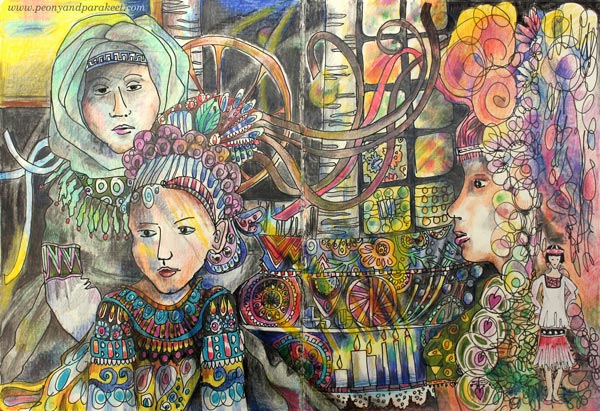
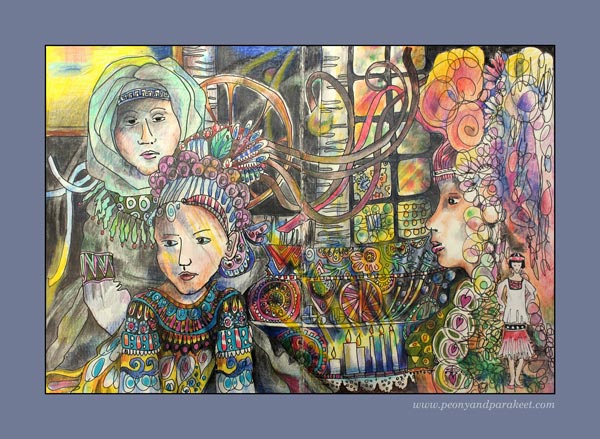
This is an art journal spread called “Chain of Generations.” I made this to express how decorative arts and crafts have connected women through generations. I feel I am part of that long chain, one foot in crafting and another in creating art.

From an Accidental Start to an Intentional Theme
The making of the art journal spread began almost accidentally. I had doodled a border on the right page a long time ago. Then many months later, I had quickly drawn a woman from 1920s and glued it beside the doodles.
A few weeks ago, I saw wonderful photos of Ukrainian folk art (pinned some to my Pinterest board Fantastic Folk Art). I got an idea of women connected with flying ribbons. I made a quick sketch with a pencil and then added more details with a drawing pen. I also got started with the coloring, but finishing felt too much work back then.

This happens to me often: I begin with one idea and end with another sometime later. I think it’s one of the best things in creating art and especially in creating art journal pages. When there are no fixations, surprising connections can happen. Like here, the women on the right are from different eras: Rococo and 1920s, just perfect to tell the story of how folk art and fashion and their timeless connection.
Inspiration from Atmosphere
While coloring the spread, I thought how I have always felt disconnected with folk art of my country Finland. Instead, I have always loved Russian and other Slavic countries’ approach to it. Finnish folk art feels very plain and unimaginative to me. Before the success in IT and education, Finland was a poor country. Many who come to Finland are surprised how few historic buildings there are and how modest the life seems to have been.
I have been born in Eastern Finland, near the Russian border, but visited Russia only three years ago. The grand atmosphere of the big churches in St. Petersburg made a big impact on me. The mosaics at Church of the Savior on Blood (yes, all the “paintings” are made from tiny mosaic pieces) lighted by the candles inspired my coloring.

The atmosphere in these kinds of old, precious buildings is amazing. As the theme of the spread was not only practical but also spiritual, an atmosphere of an old church felt a good choice to bring in.
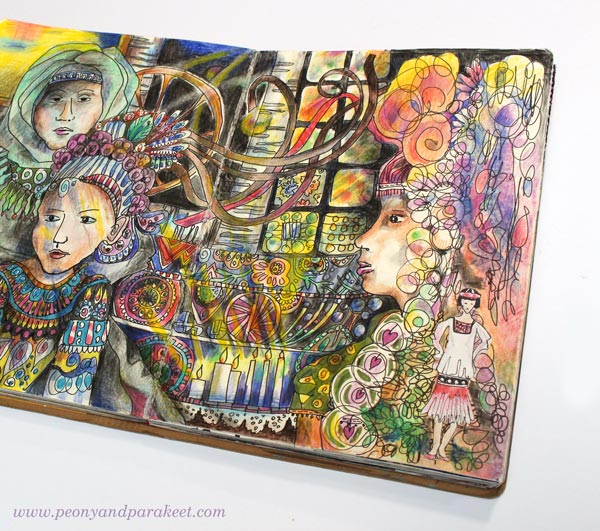
Coloring “The Air”
Imagine that I had colored the spread so that I had stayed inside the outlines only. The page would have been much flatter, contained much less atmosphere and emotion. When I color, I also try to color “the air”. I try to think not only about the light but also how the air feels on the face and how it interacts with the light.
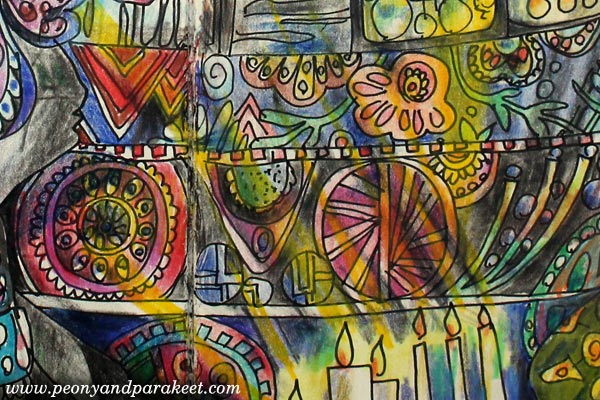
Things don’t have only one color when they are exposed to light. When coloring, think about the air and the lights flowing through space. Color over the outlines and show those less obvious, but so essential streams!
Buy the E-Book – Coloring Freely!
Coloring doesn’t only have to be calming. It can be expressive and inspirational. Purchase my e-book Coloring Freely to learn more about coloring freely with colored pencils. The book can be used with any coloring page or with any blank page. Buy now!
Coloring Abstract Art – Watch the Video!

Coloring abstract art on a blank page is so much fun. Layering colors and discovering new shapes is like an adventure!
I created this freely colored abstract art piece onto my biggest art journal and recorded the process and some thoughts about coloring on a blank page. The video also introduces my newest e-book Coloring Freely.
Start your journey with colored pencils: Buy Coloring Freely!
Avoid Stiffness with Blurry Coloring!
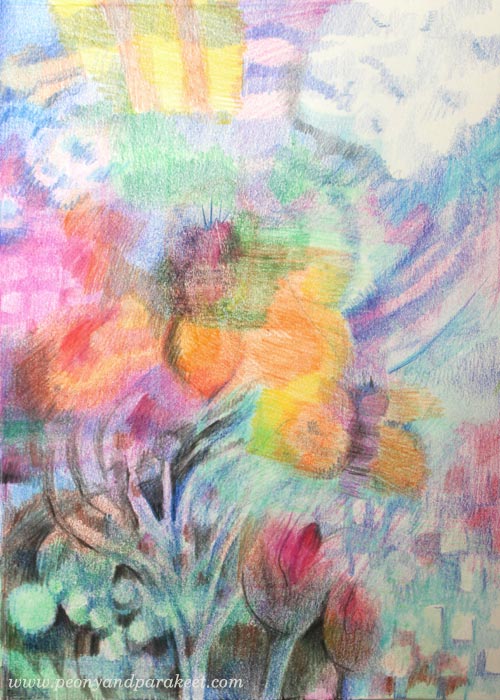
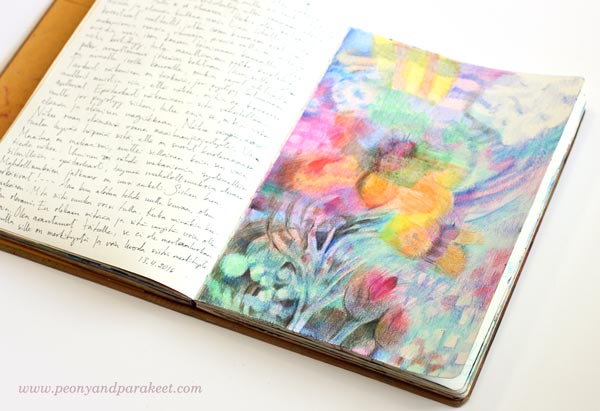
This is a recent art journal page made with colored pencils. I call this “Spring Bee.” It’s all about sunny spring arriving in Finland. The page is also inspired by the techniques that I discovered while writing my latest e-book Coloring Freely.
Magical Blurriness
Every spring, when the first flowers pop up, I can’t resist taking photos of them. We in Finland have a long and cold winter. It’s such a joy to see colors, even subtle, again. This spring, I’ve been thinking a lot about softness and blurriness. The more I see it, a more magical the whole world looks. When taking photos, I aim for sharp details, but in the end, it’s the blurriness in the background that makes the image.
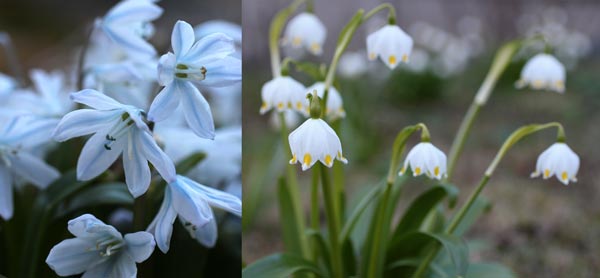
These pictures are from past springs, but they show well how distance, light, and rain cause blurriness. To my eye, blurry elements look soft, magical. It’s like they could be anything my imagination can reach! I believe that this is the way we should look at the world now and then, to see its natural beauty.
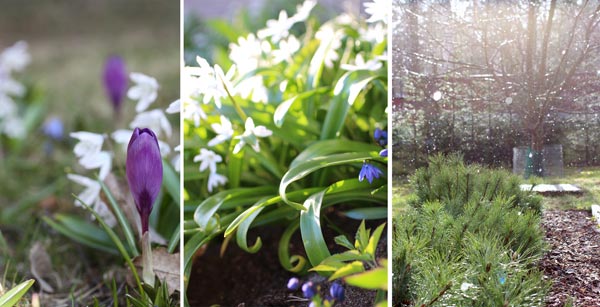
Less Stiffness – More Blurriness
When your art is less stiff, it allows the imagination to step in. It’s amazing what can appear from those blurry background layers.

I had no idea what the page would represent before the bee showed up! By freely coloring with odd, short colored pencils found from my growing collection, I continued filling the page. Like in photos, everything doesn’t have to be sharp and understandable in your art. You can let the viewer make their assumptions too.
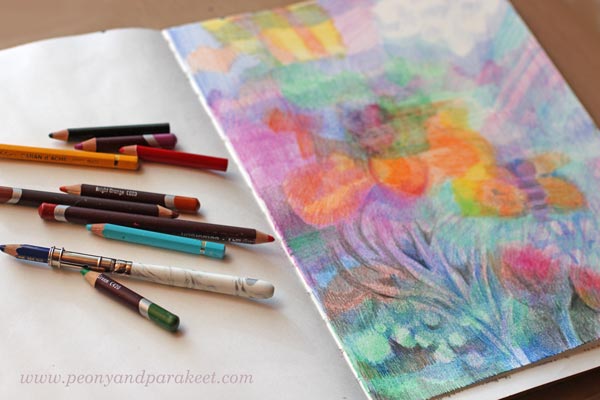
In the end, I drew some sharp lines and colored additional dark areas on the front. These welcome the eye to explore the rest of the page.

This page has been created with colored pencils only. It has no sketching. It has been created just by coloring freely.
Journaling
When the page was finished, I wrote my thoughts about the magic of blurriness on the opposite page. When I open this spread after few months, I will be happily surprised by the spring feelings.
From Observations to Coloring Techniques
When I wrote Coloring Freely, I didn’t want just to explain how to use the techniques. I wanted to guide you to observe your surroundings. With the guided observation prompts, you will realize why the techniques work and what kind of insights they are based on. That way you don’t just color rationally, but also connect emotionally.
If your images are full of stiff outlines, it’s time to explore the world with different glasses and
start coloring freely!
Coloring Freely: Buy the e-book!
Monet’s World of Energy
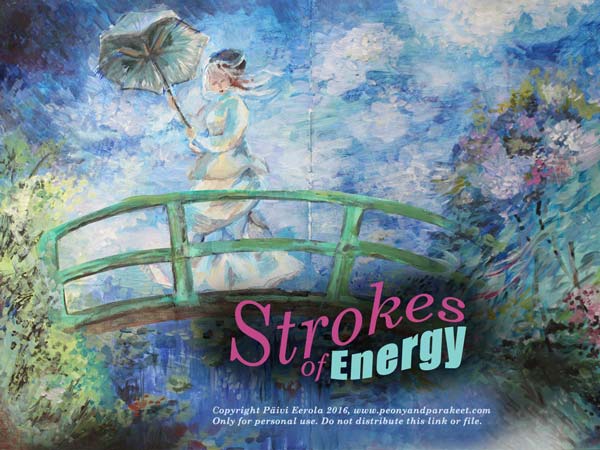
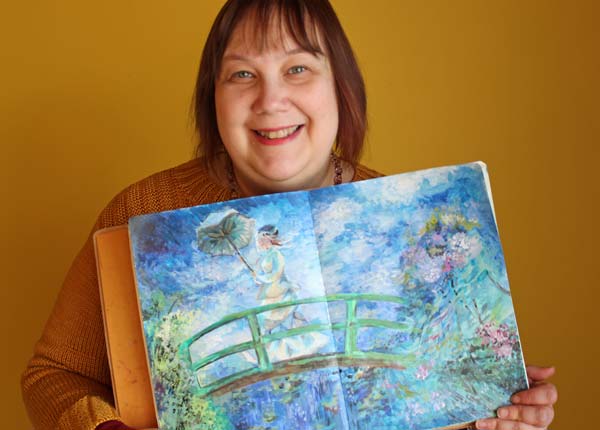
The famous impressionistic painter Claude Monet inspired me to creates this art journaling mini-course. Strokes of Energy has just been released as a part of Imagine Monthly.
Calmness vs. Energy
When I examined Monet’s painting style, I spent a lot of time with calming blues and greens.
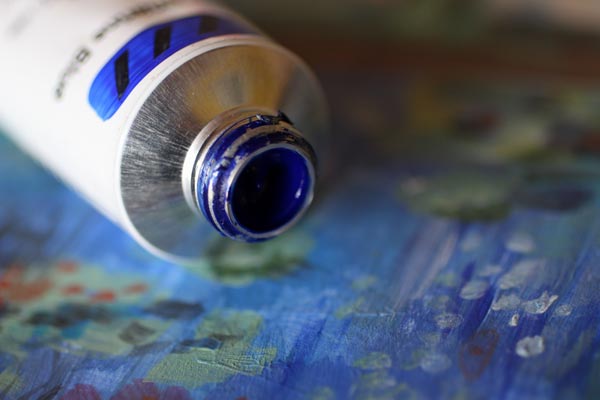
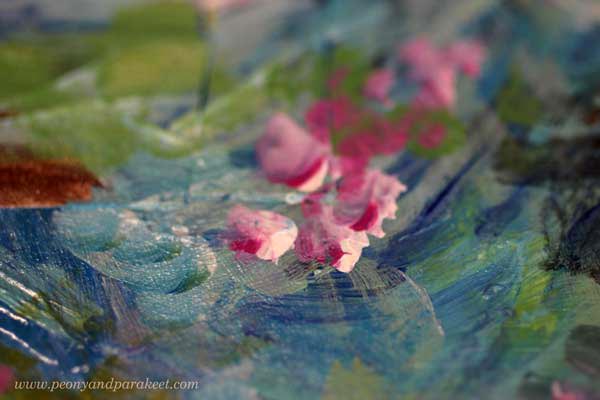
But the more I painted, the more I brought energy into the painting. Even if you feel calm when watching Monet’s paintings, his painting style is much more than just lightly caressing the canvas. Directional strokes and plenty of colors are essential in Monet’s impressionistic style. The most fun part of using the active energy is creating all the juicy details with short strokes of paint.
Monet’s Fresh Air to Your Art Journal
A big part of art journaling is about making sketches, experiments and building the collection of pages. But every art journal needs also pages that you want to watch again and again. They are like a breath of fresh air among all not so finished pages.
4 Published Mini-Courses, 2 More to Come
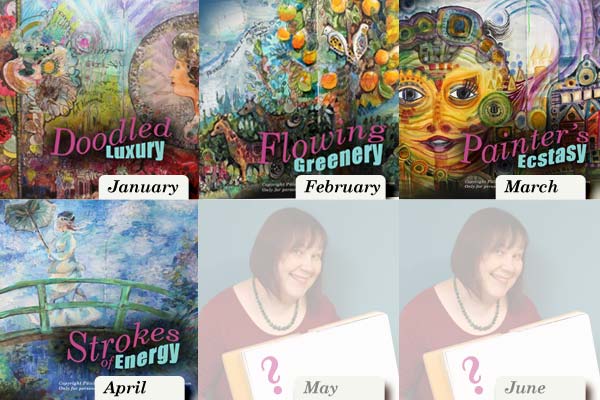
Alphonse Mucha, William Morris, Friedensreich Hundertwasser and Claude Monet have been my inspiration for this spring. When you sign up for Imagine Monthly, you will get all these 4 mini-courses right after the purchase and 2 more in the coming months.
Also, you will get to be a part of a great community! Every week, when I look at the unique versions my students have made from the exercises, I am in awe. I feel extremely lucky to be part of the group and wish all those masters could still be alive and participate the conversation!
>> Imagine Monthly – Sign up here!