
Building and Breaking – Revealing Artistic Potential
This week, I talk about the hidden potential behind artworks and how we can reveal that by not only building but also breaking.
Modern Maximalist
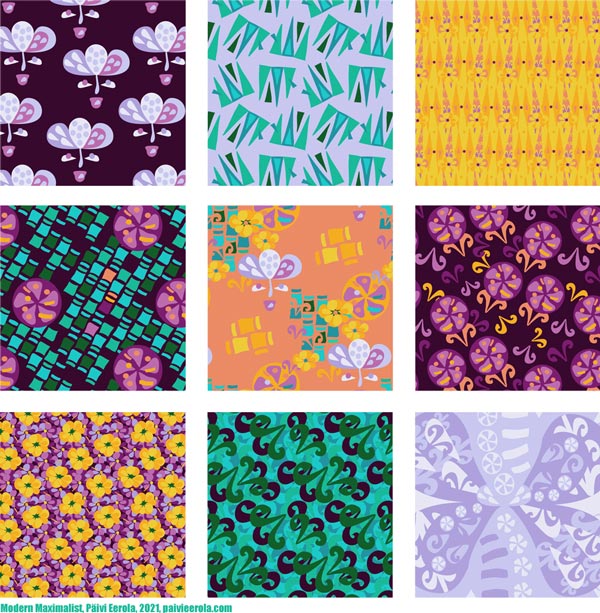
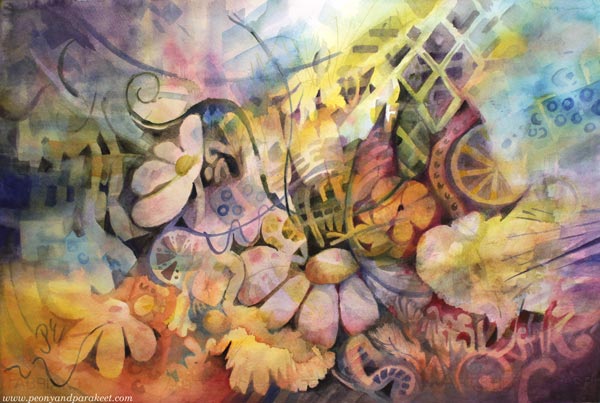
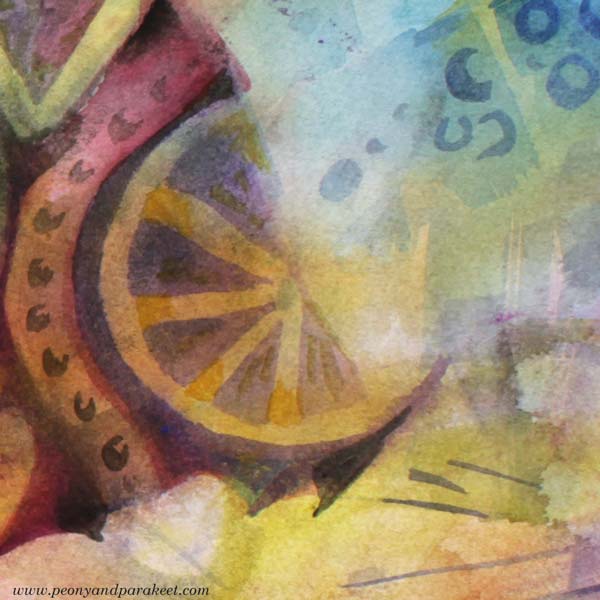
I have just designed a collection of surface patterns called Modern Maximalist. It’s drawn digitally in Adobe Illustrator and more modern than my work usually is. However, I love modern, especially the 1960s and 1970s styles. I was born at the end of the 1960s, live in a house built in the same era, and my love for retro has been too hidden in my art. But still, I didn’t want to design the collection based only on the images of others, but to build a bridge from my art to design. So, most of the motifs were based on this watercolor painting that I made a couple of weeks ago!
More Artistic Potential by Building and Breaking
Often when we create art, we build. We communicate the big picture and compose bits and pieces so that they work together. We get happy accidents (and sometimes some not-so-happy ones) and aim to make an image where the overall atmosphere takes over the details.
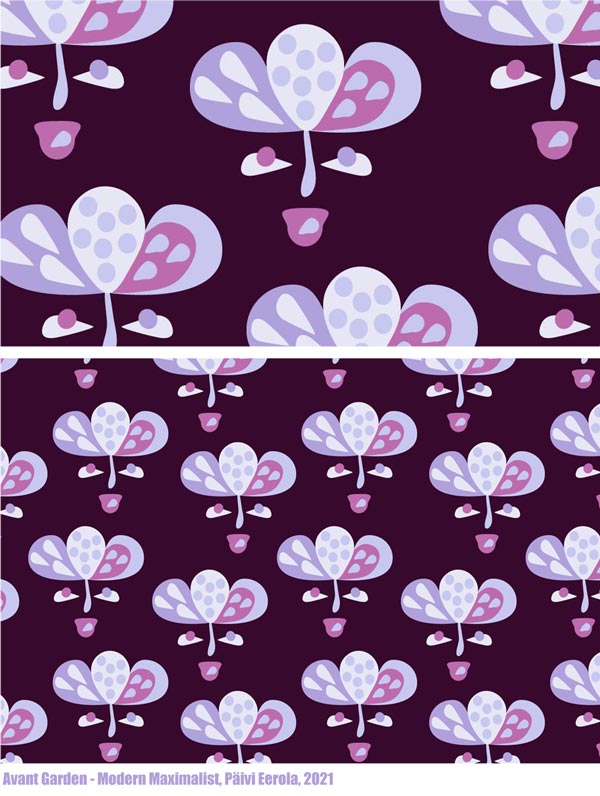
But to reveal more, we also need to break. Then the romantic flower that was painted to represent a dreamer, becomes a more stylish and symbolic figure.
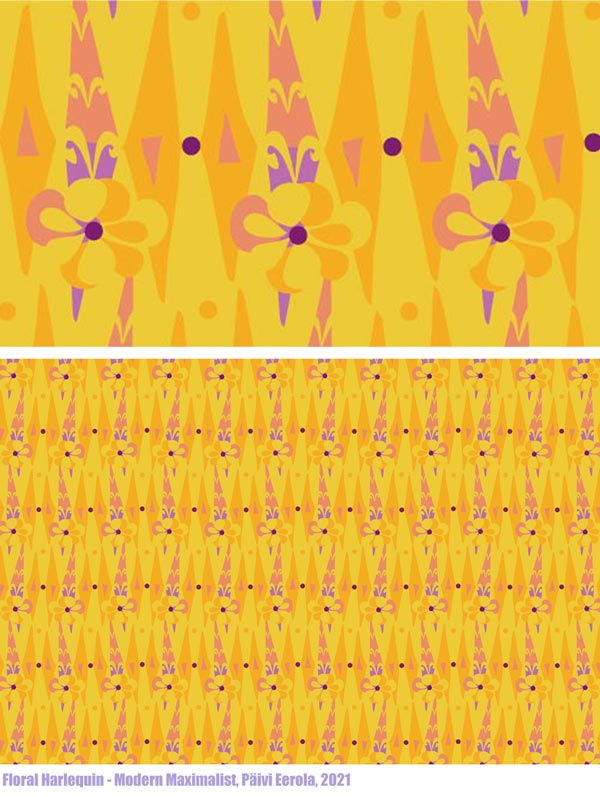
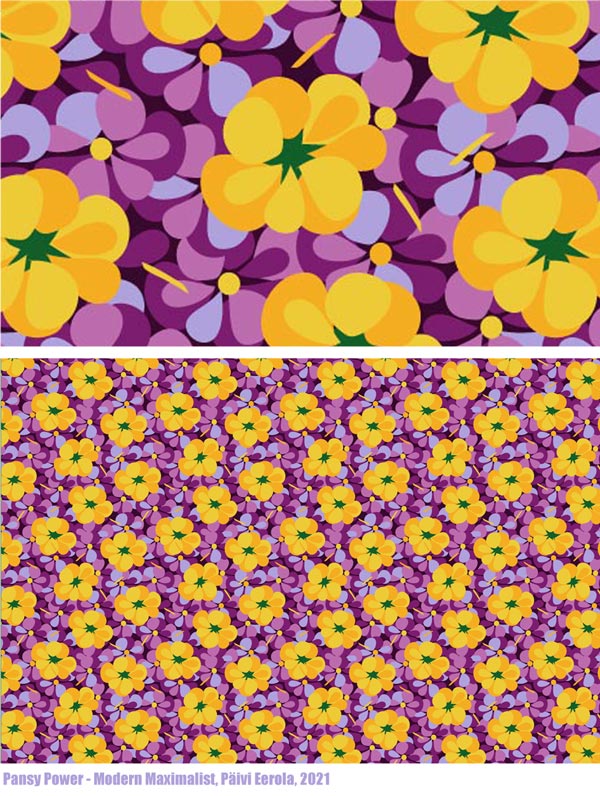
Yellow flowers and all the yellow washes can be more geometric when they are away from the big picture.

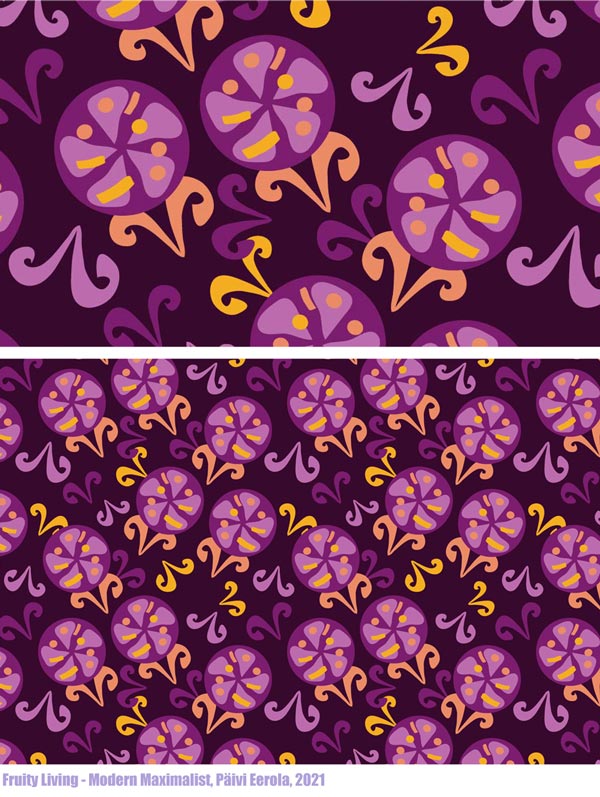
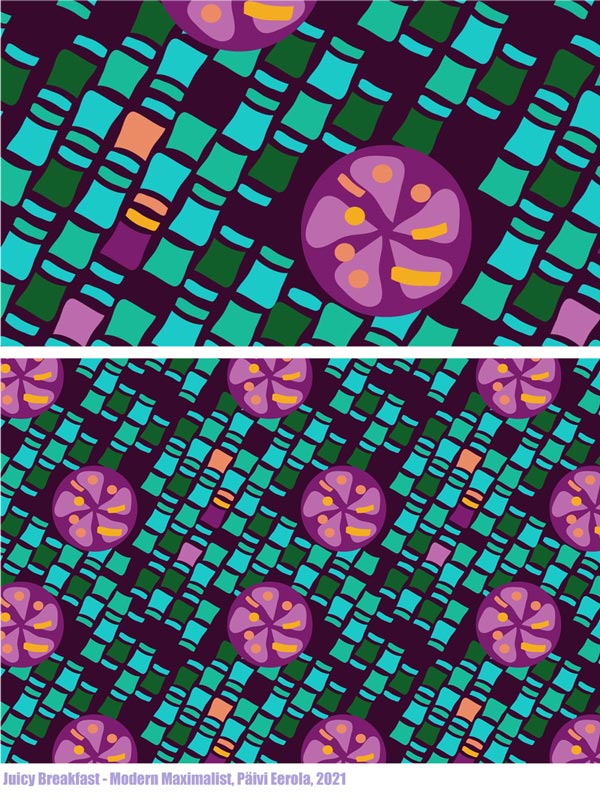
The juicyness of the fruits and other decorative details can be reorganized.
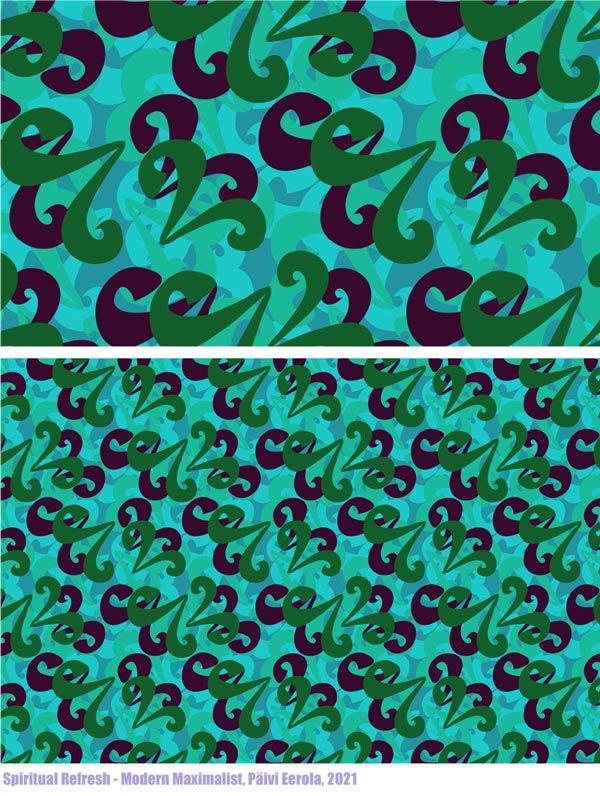
Picking Ideas from Other Images
We can also add more fuel, and break and pick from other images. This design called “List Maxima” uses motifs from the painting, but also the idea of a list that came from playing with the name of the collection, and fashion pictures that showed puffy and full dresses of the maximalist style.
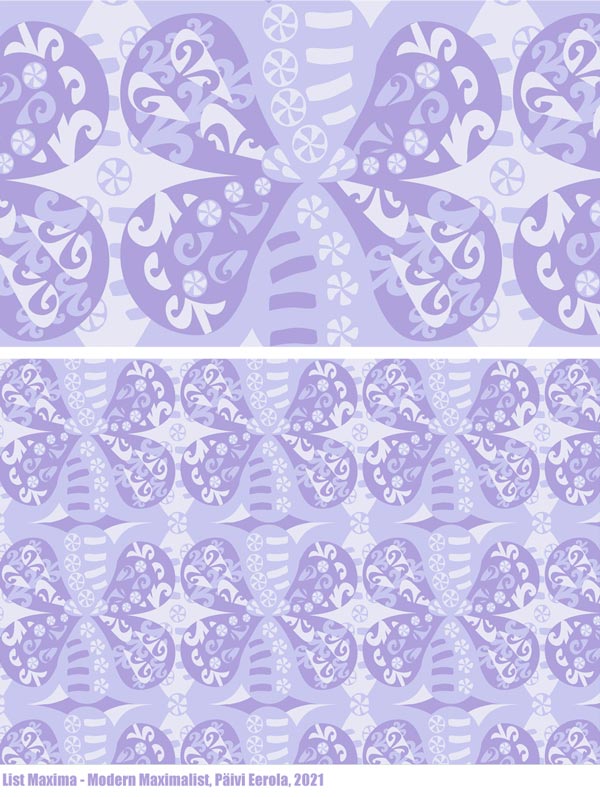
By breaking and picking, we also develop our ability to curate – to see which inspiration suits what we have already done. It’s an essential part of a style-development and and growing artistic vision.
I saw a pleated skirt on Prince Charles’s wife Camilla Parker-Bowles, not a maximalist style at all, but wonderfully modern so I broke and picked the image and got creative from that.
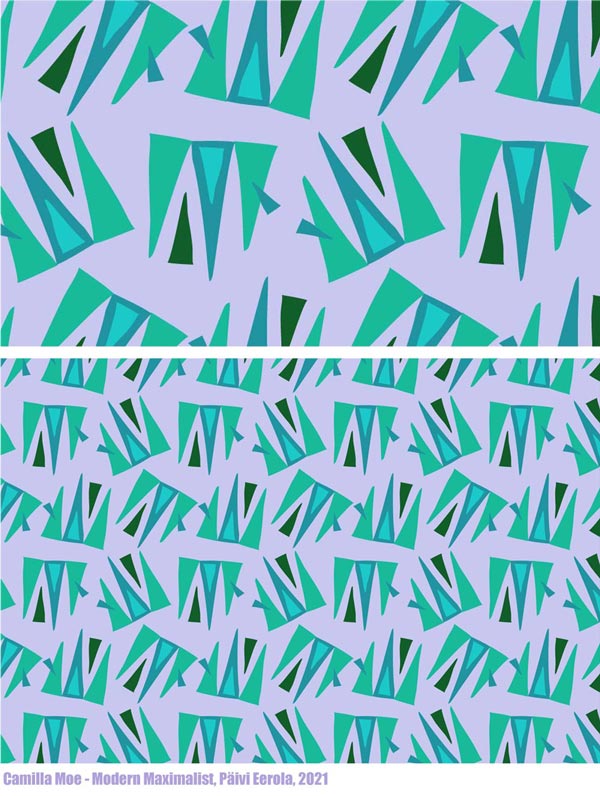
Artists often say to me: “I need to focus!” But by focusing on narrowing, we non-creatively force ourselves to do one thing. By breaking and picking, we can curate all kinds of inspiration and be creative so that it grows our artistic vision.
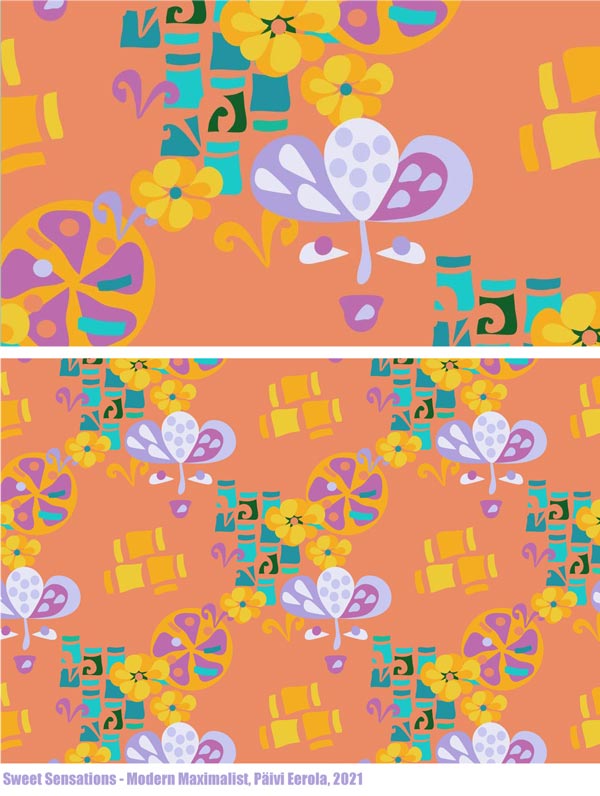
Revealing the Artistic Potential
No matter where you are in your artistic journey, your art benefits from the idea of building and breaking. Build to go deeper into the experience and break to reveal more ideas and potential! In practice, building often means painting, and breaking is often connected to drawing – even if, of course, you can use any techniques that suit you.
What was first a watercolor painting, could now be a quilt!
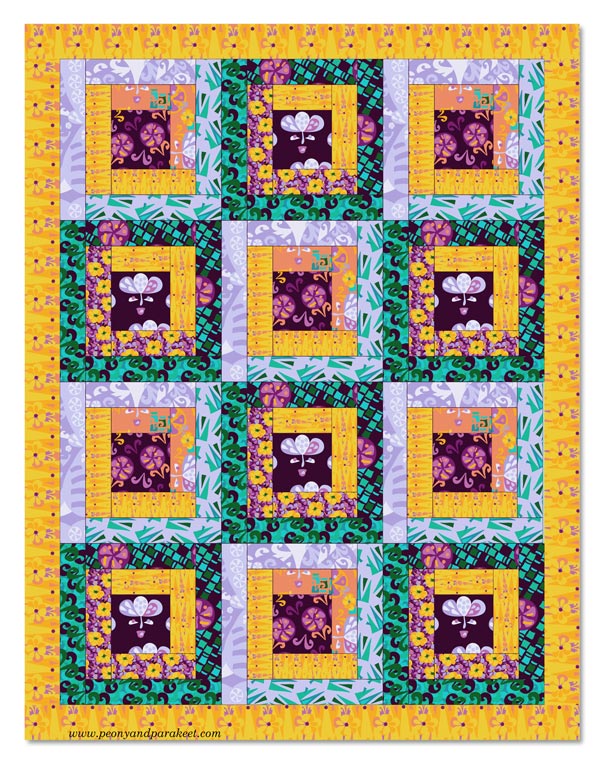
Building and breaking can alternate endlessly when we combine new ideas and results with old ones.
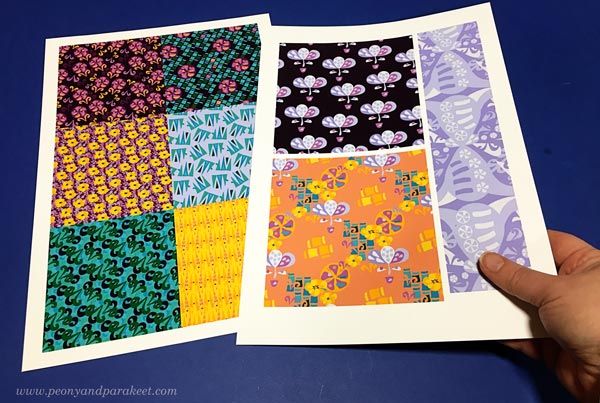
Here I am breaking and picking to create something new into my art journal.
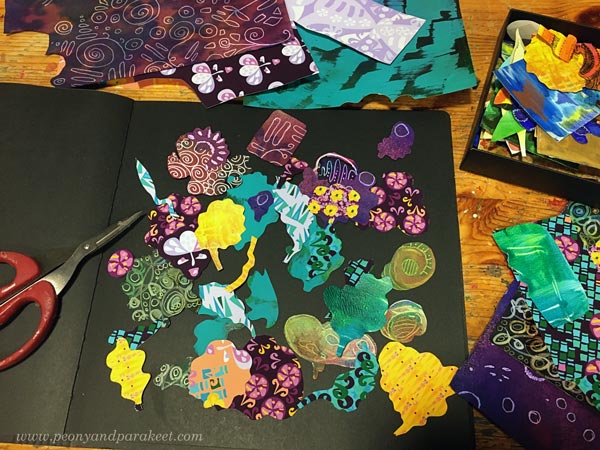
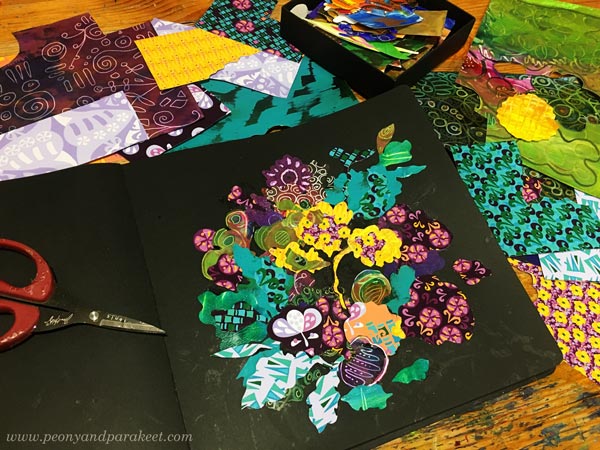
Here’s what I built by cutting and glueing new prints and old hand-decorated papers.
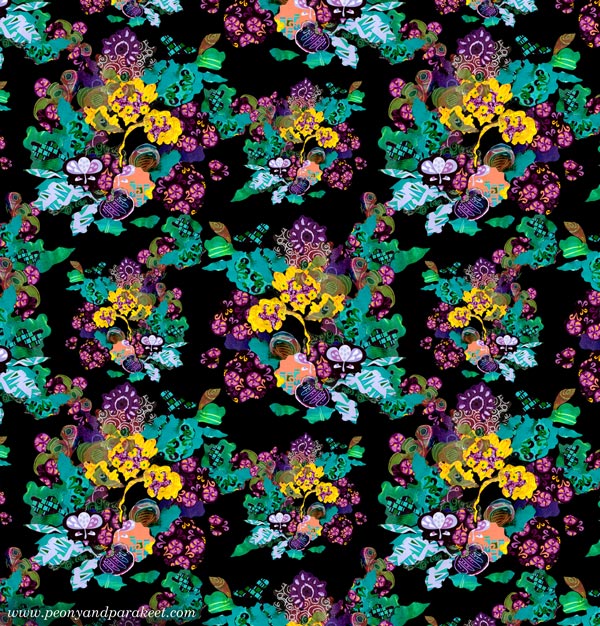
And I couldn’t resist checking if this could work as a repeat too!
I hope you found this post about building and breaking inspiring!
Need help for finding your artistic potential and building artistic vision? Sign up for my coaching program called Artistic Vision!
Vision Who You Want to Be as an Artist!
If you are a long-time follower, you know that I have run a coaching program called The Exploring Artist. It’s been on a break, but now I have something new for you. It has just taken some time to get developed.
You see, when we first start creating, it all feels like a really quick thing. One little drawing doesn’t take so much time, and if it doesn’t quite hit home, it’s always exciting to start a new one. Only a matter of practice, right?
Except it’s not.
The more you create, the wider the world of art becomes. It’s like you have first had a small puddle, then followed a stream, managed to find a river, drifted to a lake, and suddenly you are in the middle of a big ocean feeling smaller than ever.
There are so many flows, and to move forward, you should pick one, and preferably one that leads you where you want. At least that’s what business people say, they only take the safe routes and do fine!
Except it’s terribly difficult for artists.
When you are an artist, you are also an adventurer. The unseen is part of art. That’s why we often fail when we try to set a routine or stick with one boring thing.
For six years, I have created an annual vision that guides what I do. Because I come from the business world, I first started with the way businesses create their vision. Then I joined a business coaching program to make sure I was doing it in the right way. Slowly, year by year, I have moved away from how business visions are made.
When you create art, it’s not the same as working in a factory or selling pens. Art is personal, and it also has its own way.
When I call my inner artist to build an annual vision with me, I must be extremely cautious and gentle because she is not happy with the interruption. She would only like to create. “The next piece will be better,” she assures me, “I just need more time for creating.”
But we all know that time is limited and that quantity doesn’t always replace quality. It’s just this life that we have.
“Adult talk,” my inner artist sighs.
When I look at my inner artist, I see a child with all the wisdom built in her. There is no artistic vision if it lacks that spontaneous wisdom.
So, my annual challenge has been to give enough space to that child and that wisdom. Not to try to fit everything into one ship, but to see that there are several routes in the ocean of art, some being steps to the unknown. It’s exciting!
We are then no longer swimming alone in a big ocean, trying to find and follow another swimmer, feeling distracted by every wave and exhausted after staring one point at the horizon for too long.
My artistic vision is focused, and then it’s not. Focusing and narrowing down are not happy words for my inner artist, so I try not to use them. If you look at my classes, illustrations, designs, abstract art, there are several styles and techniques.
And then there’s YOU. An artist who likes to imagine, who gardens and crafts, who sees magic in life’s little things.
You who likes to play and draw in, for example, Animal Inkdom and Magical Inkdom.
You who yearns beauty and watercolors and, for example, Floral Fantasies.
There’s also you who wants to dive deeper and move forward, not only create but also vision. Maybe only you (or this side in you) reads this post from beginning to end?
For you, I have a new program called Artistic Vision!
>> See more!
Creative Start – A Watercolor Edition
This week, we celebrate watercolors. I have a new painting and great news: You can now purchase the watercolor module of the class Floral Fantasies separately. >> Buy here!
This painting is about living at maximum, embracing the visual richness of our surroundings, and having the courage to show up and reach high.
My Rusty and Shy Watercolor Set
Why did I choose watercolors for this kind of grand subject? Those timid little pans! “Hey, Paivi,” they whispered to me. “We doubt if we can dance anymore.”
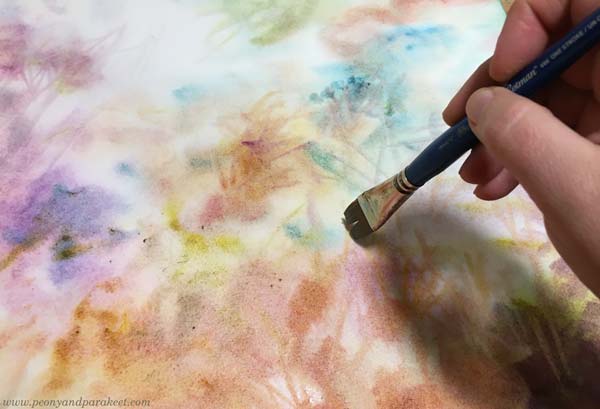
We humans are like watercolors. It takes some time to handle a new element. When a part of us gets washed away, we first become bland and unclear.
Layer by Layer Towards The Maximum
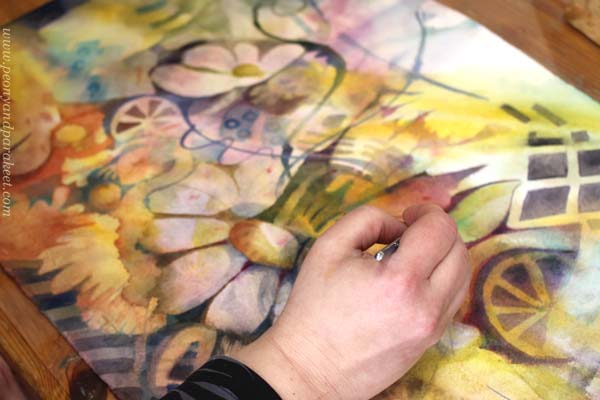
But the mildness changes when layers begin to build up. The colors get brighter and the depth becomes more evident. Like a painting, a life that had no energy begins to breathe and sing.
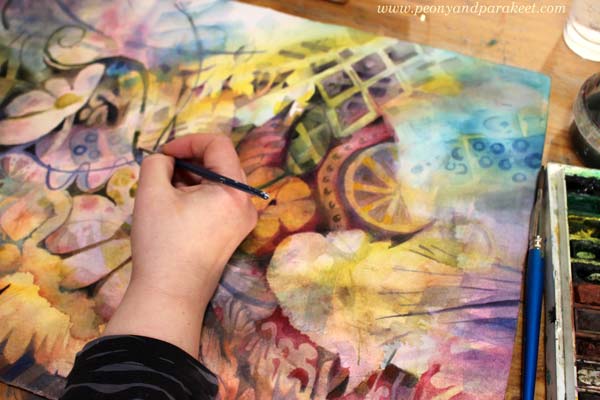
What first felt uncontrollable, can lead to openness.
The failures of the beginning become background music, and the true identity is revealed layer by layer.
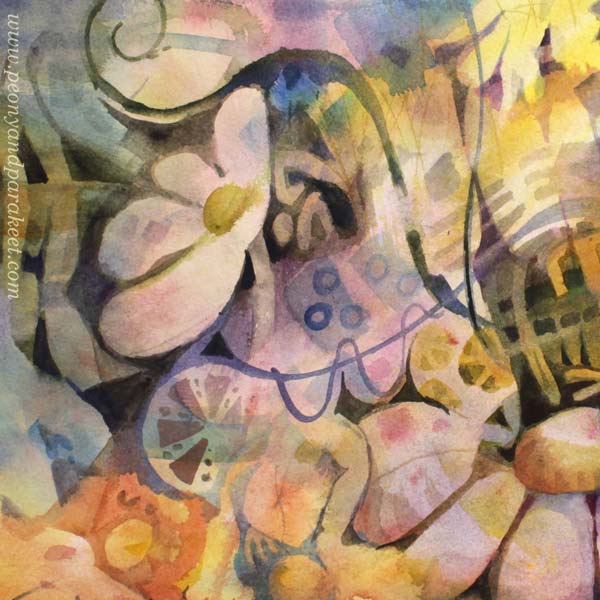
When the outer world is at a minimum, we have a chance to turn the inner world to a maximum. So why paint like a minimalist when the soul’s natural essence is a maximalist! Isn’t this the best time to let the inner artist out?!
Floral Fantasies – Watercolor Edition
By popular request, the watercolor module of Floral Fantasies is available separately from the rest of the class. The watercolor edition has four projects. There’s one small beginner project, two are slightly bigger but fun projects, and the last one is an in-depth project. You’ll start simple, but paint more richness and layers project by project. >> Buy now!
Floral Fantasies – both the watercolor edition and the full edition are on sale this weekend! The sale ends on March 7, 2021, at midnight PST. >> Buy now!
About Art and Knitting
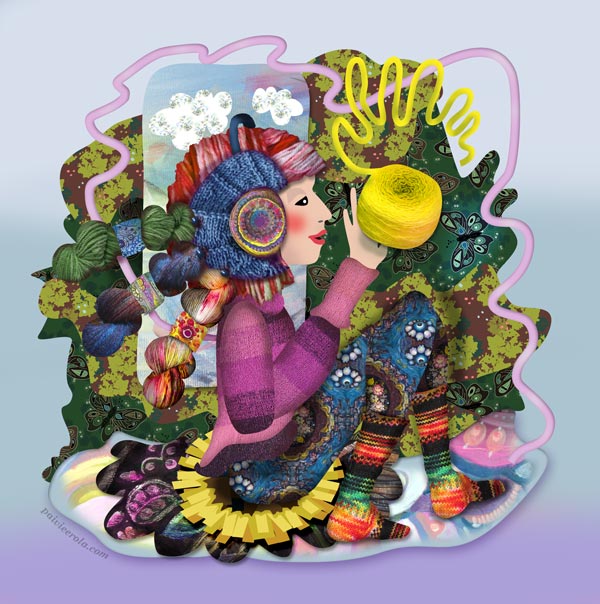
Knitting Through Childhood
I learned to knit before school when I was about five years old. Before that, my older sisters had taught me to crochet, but it wasn’t enough. “There will be much more stitches, and they get dropped easily,” they said. But I was determined. I sat in the kitchen with a ball of dark green light-weight yarn and thin needles that had duck heads in the other end. I wrapped the yarn around the needles and was sure that I would figure it out by myself. It must have been an endearing sight because my sisters gave up and taught me to knit.
After that, I was unstoppable. My mother taught me to make socks and mittens, and when I went to school, I learned more from there. Our local library had a couple of shelves of knitting books, and I borrowed them regularly. As a teenager, I bought a knitting machine and made a sweater in a couple of days.
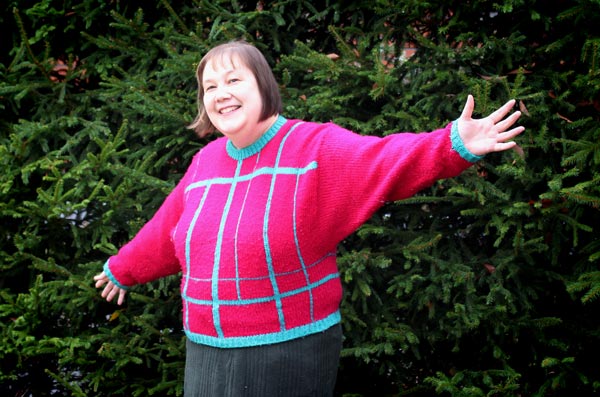
The good thing in the 1980s fashion is that the knits were so big that we never grow out of them!
Late-Night Knitting
Like art, knitting has always been with me. But even if I have had times in my life when I haven’t created art, I have never stopped knitting. No matter what crisis I had, how busy at work I have been, there has always been time and energy for knitting. It’s still like breathing – in, out – knit, purl.
As a child, I had a phase when I dreamed about being a textile artist. But the older I have become, the more I have realized that the connection between knitting and art-making must be looser for me. In the late evenings, when the working day is over, I say good-bye to the artist in me. Then it’s time to stop producing and start consuming. I browse online yarn stores, their Instagram accounts, and Ravelry.com – the ultimate database for knitters – and plan my next projects. I watch knitting podcasts on Youtube and knit obsessively as long as I can stretch the night. I don’t think about art, and I don’t feel like an artist. By following or adapting a pattern that someone else has written makes sure that I don’t have to think but just knit.
But strangely, for each big painting, I need a lot of knitting. It’s my way of processing all the ordinary so that the extraordinary can come up.
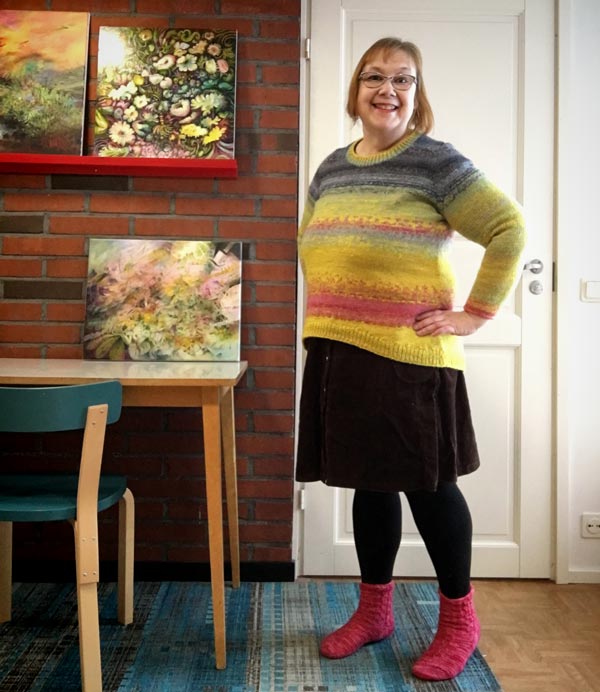
Art and Knitting – Work and Hobby
When I started blogging over ten years ago, my blog was about knitting. At that time, I also sold handmade bags called folk bags and wool that I produced in co-operation with my friend and a few farmers. There might still be some of you who have followed me since then. Thank you for sticking around!
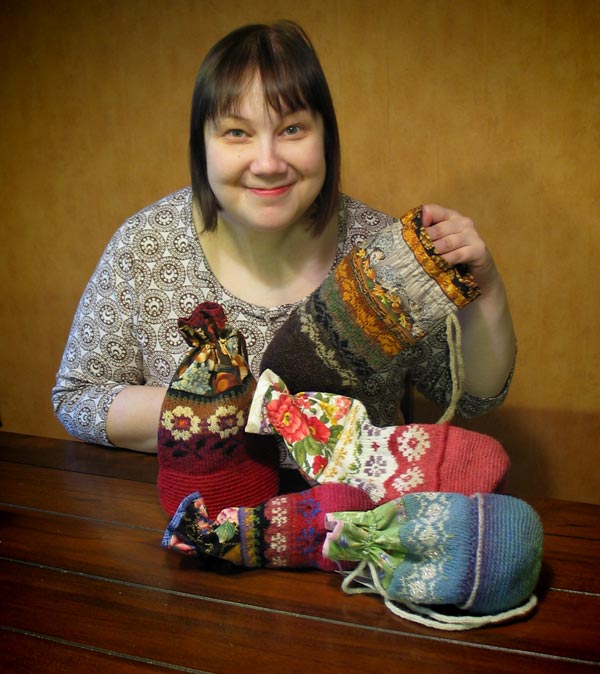
Later, I wrote a pattern for them. You can purchase it here!
When I grew my artist’s identity, I wanted not to talk about knitting anymore. I needed a hobby, not another job, and I felt that knitting and fine art don’t go so well together in public. People often have a hard time understanding that art can be a real job.
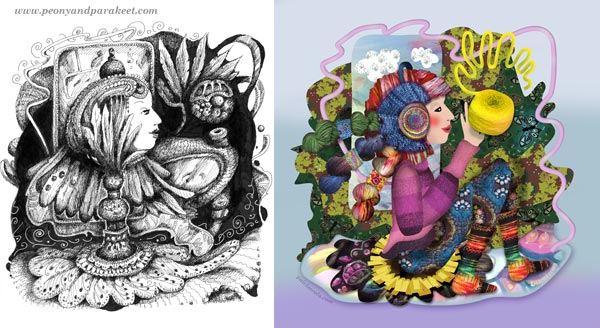
But last year, I decided that it’s time to approach art with greater confidence than before. It has made me more open, and maybe it has added a bit more self-acceptance too. So yes, I am both an artist and a knitter. Art is my work, and knitting is my hobby, but I would not be able to work without the hobby.
Does this make sense to you? Let me know what you think!