
Kaunosielu – Painting and Drawing Sensitivity
Kaunosielu is a Finnish word for which I don’t know an English equivalent. It means a dreamer who loves beauty, but the word has an ironic undertone. This romantic soul, alienated from everyday life, cares little about taking care of practical matters and frequently stops to admire the beauty around her.
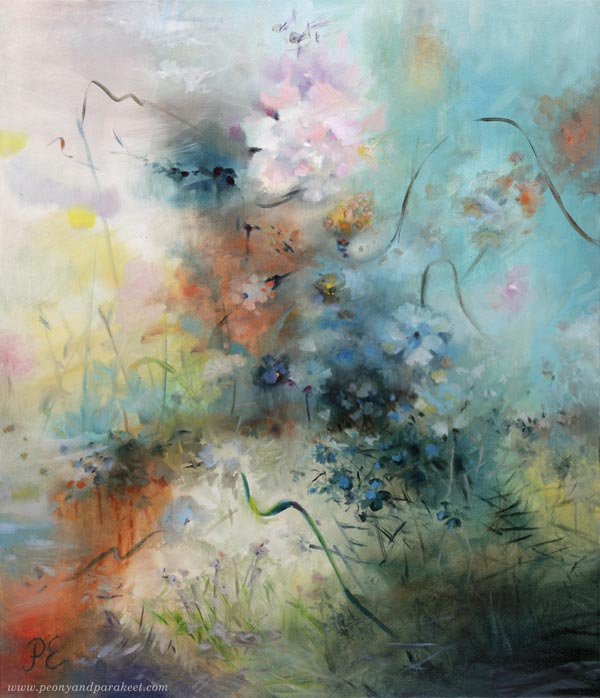
I’ve been thinking about people’s yards in my neighborhood a lot lately. The new houses have a small lawn area, a wooden patio, and a row of white cedars. These homes are advertised as “easy-to-maintain yards” in real estate ads. And yet, it often happens that when time passes, a few violets or a peony bush appear. It makes me believe that we all are “kaunosielu people” who have a sensitive heart and eye for beauty.
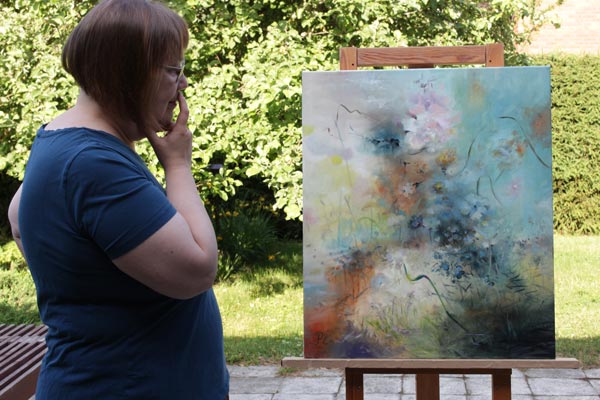
So my Kaunosielu painting is dedicated to that part of you who stops after seeing something beautiful. This topic was challenging for me because I usually express movement. Here, however, it’s all about staying rather than leaving and looking rather than running away.
Inspiration from Pastel Drawings
I am making a series of paintings for an exhibition called “In the Mood of Albert Edelfelt” and I have browsed a lot of Albert Edelfelt’s (1854-1905) works. Surprisingly, his pastel drawings fascinate me the most. Look at this woman, for example – or rather – her dress!
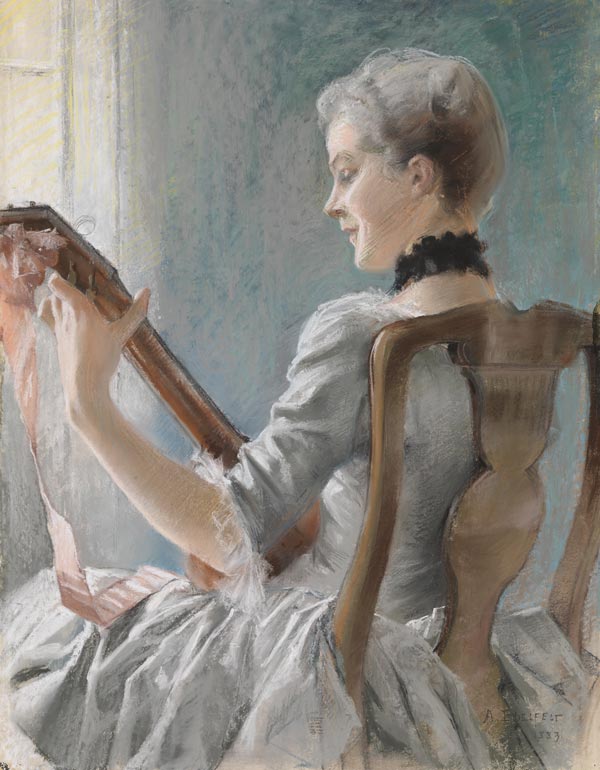
I see a similarity with flowers in old portraits. The outfits are pleated like the petals of flowers and the lines form interesting patterns.
I also started using chalk brushes in the ProCreate app. Here is a digital pastel drawing: peonies and strawberries.
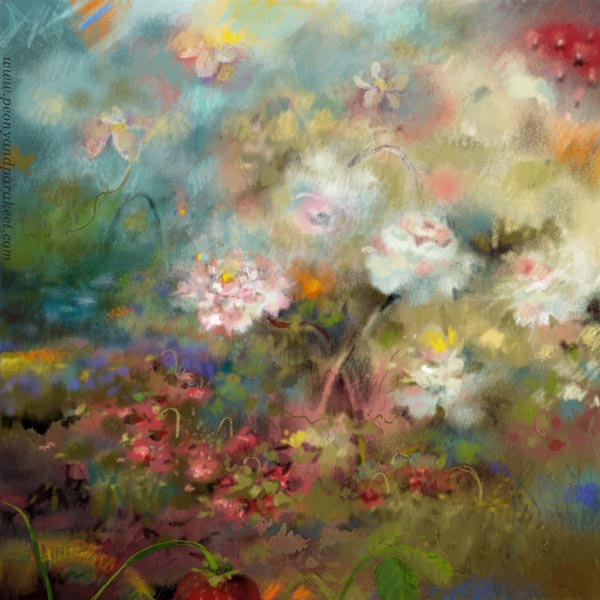
I have done oil pastel work for the course Innovative Portraits, but now I dug out the soft pastels.
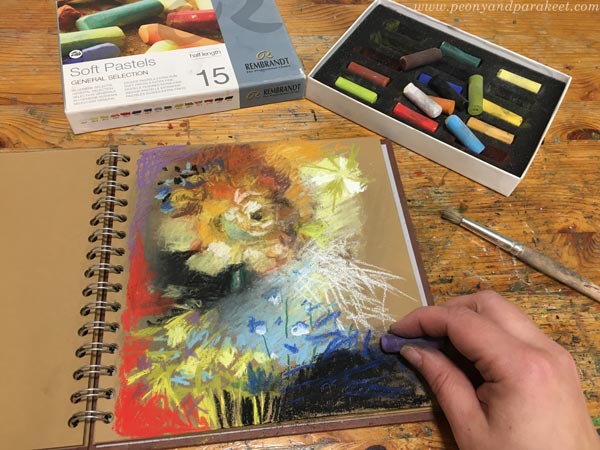
Soft pastels are more chalky than oil pastels and maybe a bit more difficult too because, unlike oil pastels, soft pastels also need fixative.
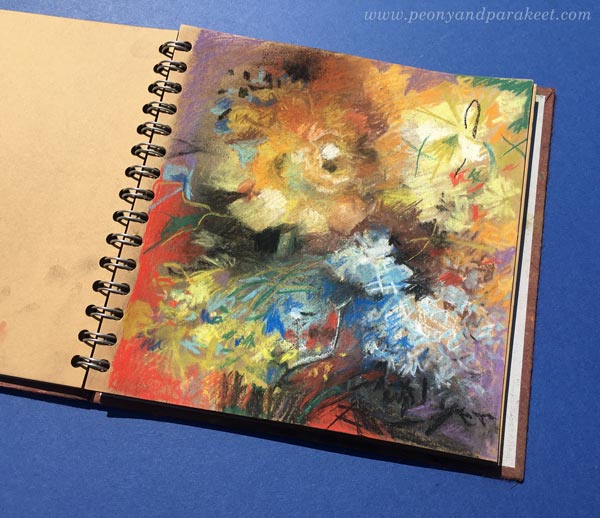
This is just a small notebook and a small piece but I like to practice between bigger paintings.
Kaunosielu on Canvas
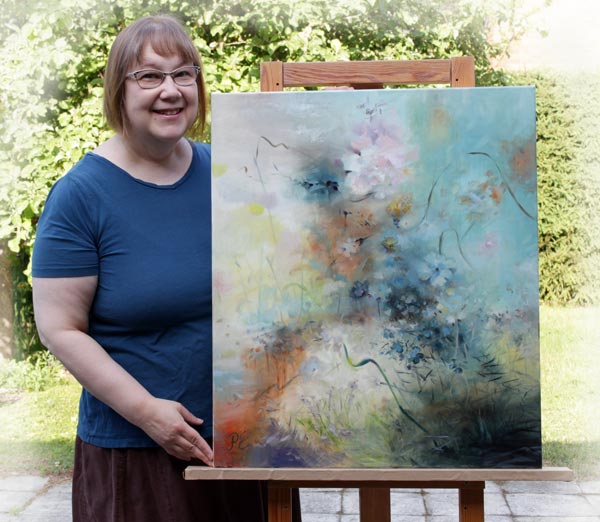
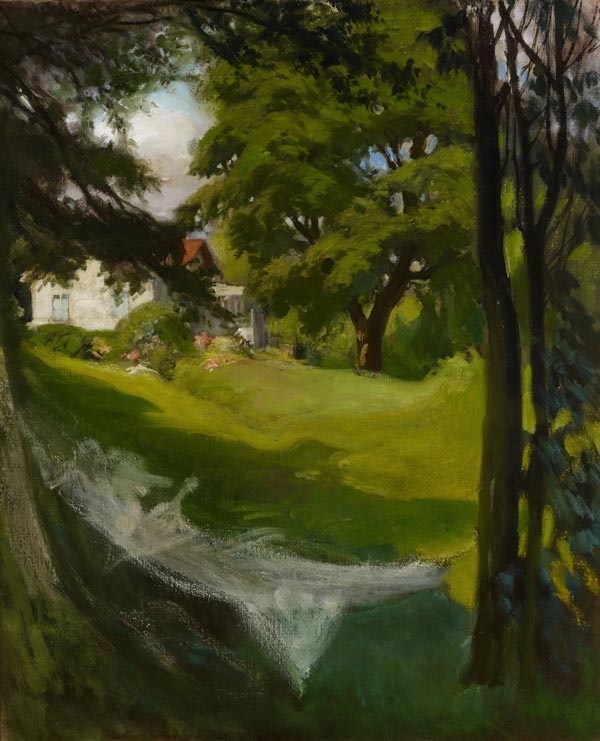
My painting Kaunosielu is painted in oil, but it is close to pastel artworks in terms of color scheme and the use of lines.
The painting is inspired by a lovely pastel drawing by Albert Edelfelt called “At the Window.” I was lucky enough to see this work authentically in the Albert Edelt exhibition of the Ateneum Art Museum. This piece is 68 x 62 cm, so it’s quite large for a work drawn on paper. And look at that frame!
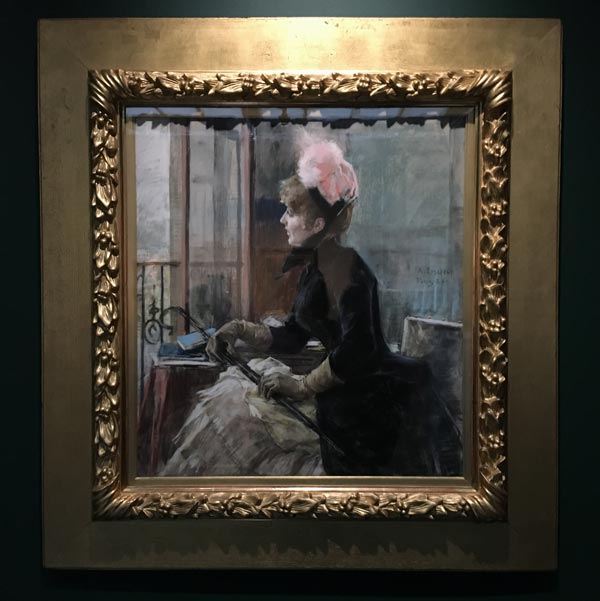
I was especially fascinated by the composition, and as soon as I started my painting, I felt that now it was coming: Kaunosielu! I had been planning to do a piece called that for a long time.
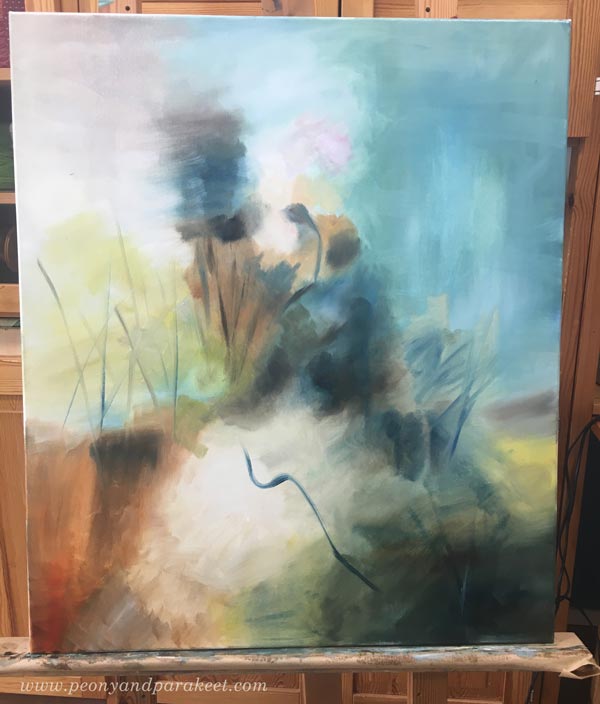
I wanted to incorporate haziness and vagueness into this painting, but at the same time use strong variations in darkness. With the big differences in color value, I wanted to create a sense of presence similar to Albert Edelfelt’s paintings.
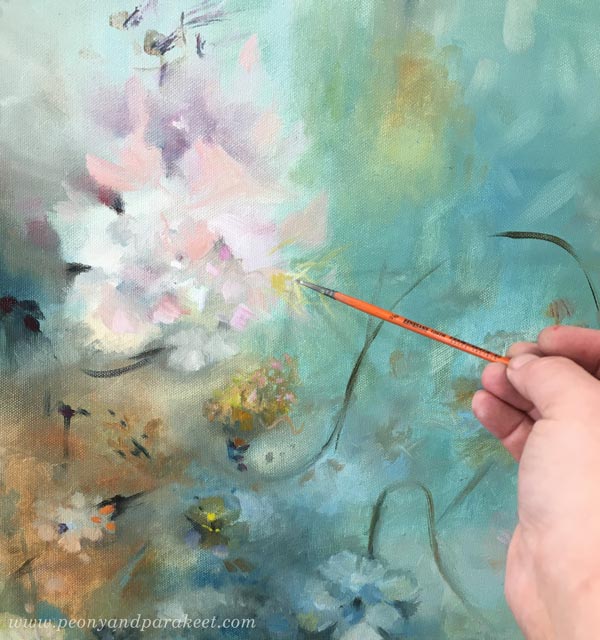
When I took this photo in the morning sun, it felt like the moment stopped and two Kaunosielus came into the picture.
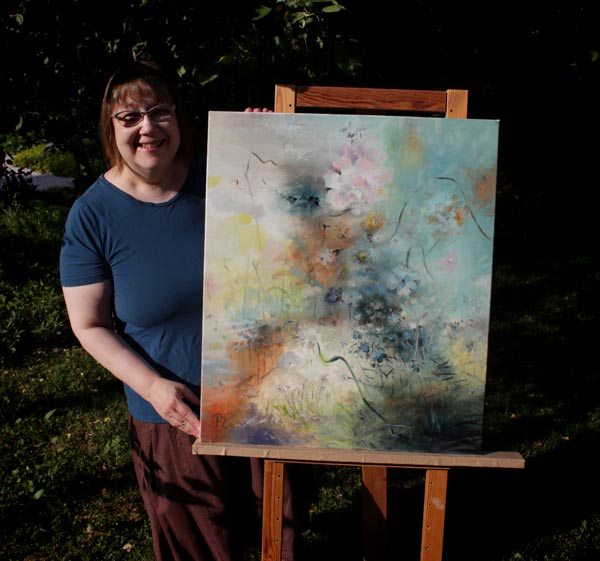
This photo shows so well how darkness and light go hand in hand.
This Week’s Challenges for Your Art-Making
- Empathize with the kaunosielu personality: Examine what it means to be an impractical but sensitive sielu – soul!
- Examine old portrait paintings. Dind the similarities between flowers and luxurious dresses.
- Be bolder with contrasts. Enhance your expression by combining pastel colors with really dark blues and browns.
- Experiment with soft pastels or oil pastels or mimic their effects with other art supplies.
I hope all these tips inspire you to start creating!
Watercolor Fairies – Painting the Magic of Nature
I’ve been going through my art supplies lately and reflecting on my path as an artist so far. In recent blog posts, I’ve featured drawings, but now we’re moving on to watercolors. This post is about painting watercolor fairies and the wilderness around them.
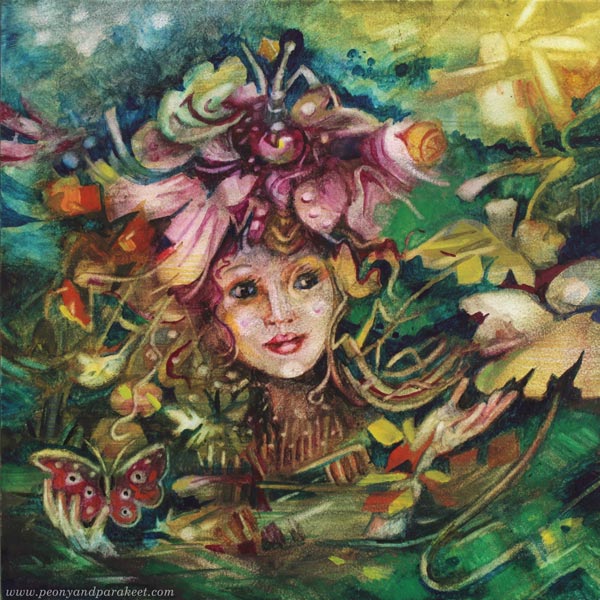
Watercolor Surfaces – Aquabord vs. Paper
I love thick watercolor paper, but I made a special find in my stash: a hard base meant for watercolors. I bought it years ago but had forgotten it. But now I had to try this Ampersand Aquabord!
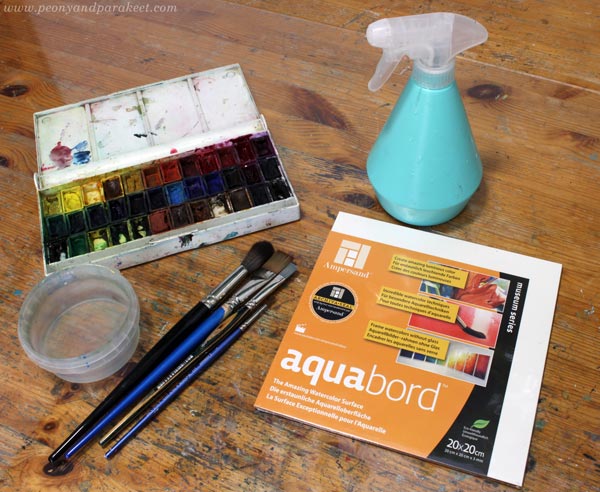
Watercolors have a built-in sense of surprise that keeps me interested in the work. Still, you can also do accurate and illustrative details. I like to use a lot of water at the beginning and less at the end. Even if Aquabord is surprisingly absorbent, I prefer the effects that a good-quality paper creates. But maybe this is the thing that would need more practice. It is said that to get to know a certain paper, tens of experiments are needed.
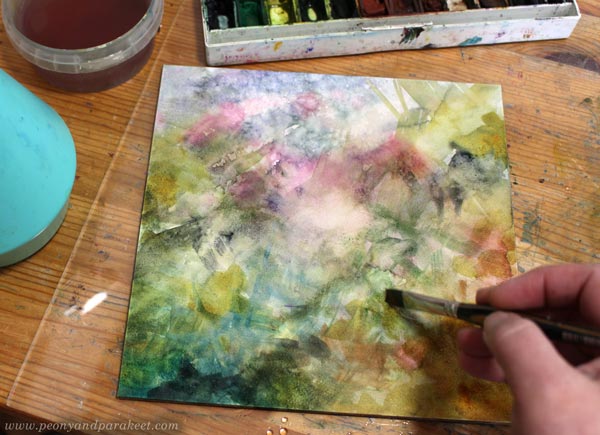
When the painting progresses I move on to negative painting, so paint the background in such a way that I leave the shapes from the previous layers exposed to maintain the brightness.
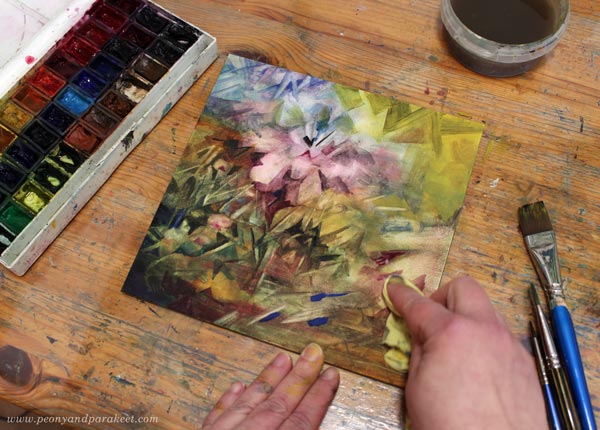
Aquabord turned out to be more convenient than paper in keeping the painting light. It is easy to wipe off color with either a rag or a dry brush. But even if lifting color is harder on paper, I still would prefer watercolor paper, especially 100% cotton, because it feels so wonderful! However, for beginner watercolorists, Aquabord is great because you can erase and start over!
Watercolor Fairies
About four years ago, my watercolor set was a close friend, and I thought I was at my best in watercolor painting. One of my favorite subjects in watercolor was fairy-tale characters – spirits of nature that rise from the surrounding greenery and have the sensitivity of a butterfly. It was also fun to come up with names for them!
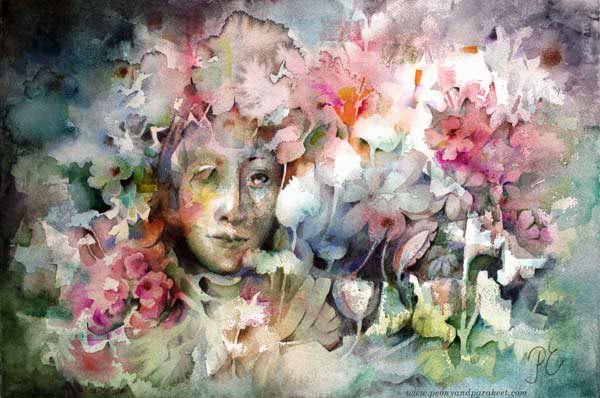
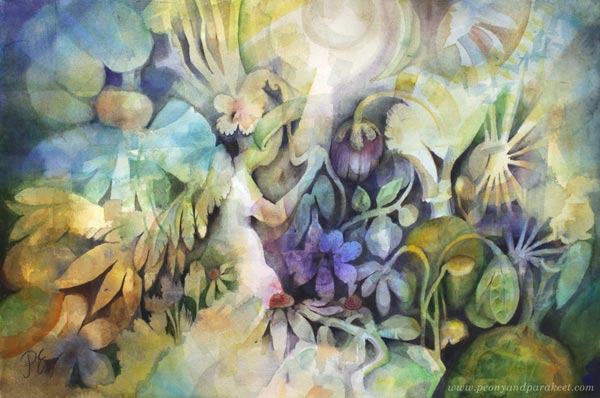
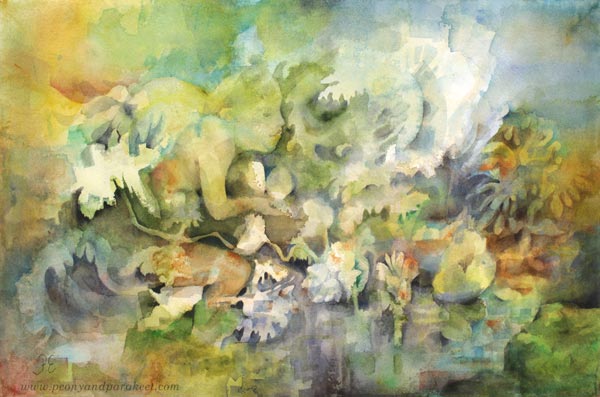
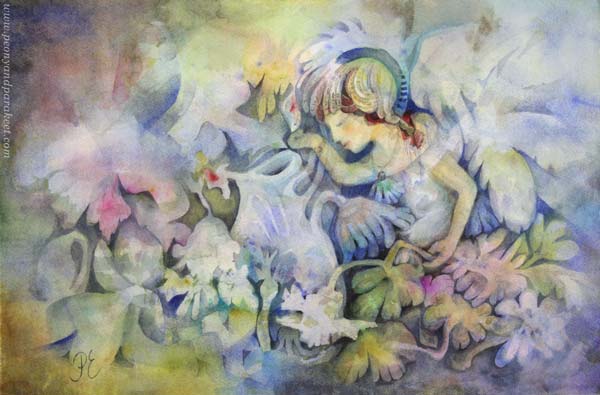
When painting a watercolor, a character can appear by accident. It’s fascinating to see who comes up as the round shapes of the plants encourage the spirit to emerge.

Even though nowadays I mostly paint with oil, I still want to step into wild nature with a brush and listen to my intuition. Watercolors have taught me a way to first splash freely and then finish with intention.
Magical Forest with Watercolor Fairies
I have also made a watercolor course about this kind of intuitive nature painting: Magical Forest.
Magical Forest combines light with hope, trees with spirituality, water with flow, and wilderness with curiosity.
Flower or Fairy?
In this work on Aquabord, I first thought that the weird purple flower could be enough of a character. But after looking at the flower for a while, I felt that someone was squatting under it.
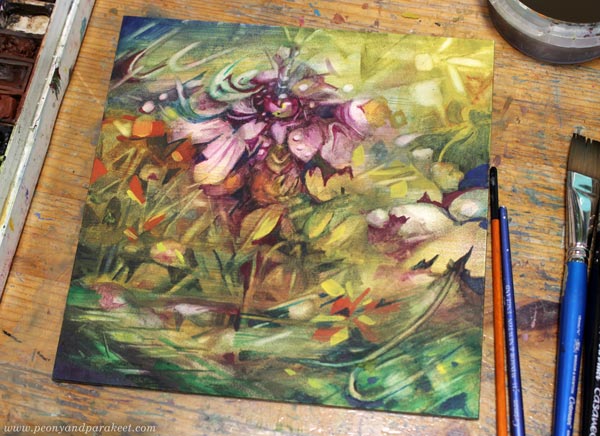
And it wasn’t a shy spirit either, but quite lively.
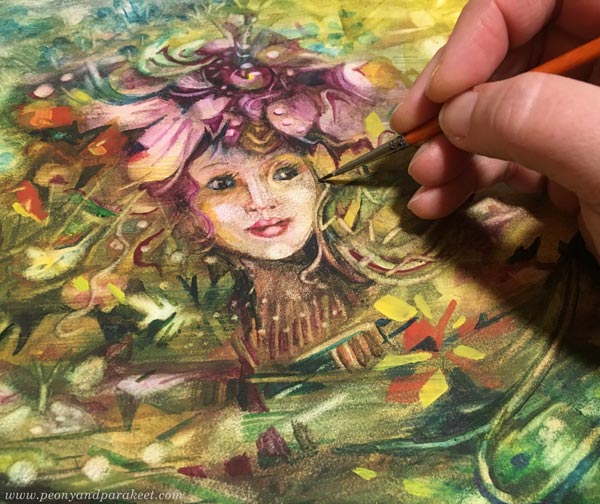
I even painted hands for her.
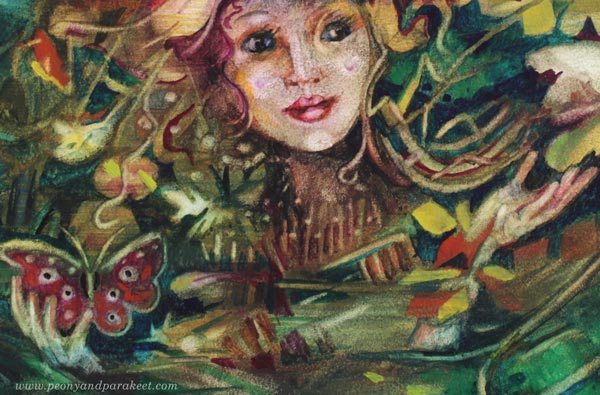
The butterfly flew there too as if by accident!
What Makes a Fairytale?
In my opinion, a watercolor painting with a fairy tale character can leave a lot of guesswork. The mystery is allowed! There may be abstract shapes that only describe the atmosphere rather than anything else.

When the shy watercolor fairies started appearing in my art in 2019, they represented the part of me that is needed for making art. Now my artist fairy is more confident and cooperative and is not afraid to appear when called.
Easter Sale – Magical Forest Over 40% OFF!
To celebrate Easter and watercolors, Magical Forest is now over 40% OFF!
The sale ends on Monday, April 10, at midnight PDT. >> Buy Now!
In the Mood of Albert Edelfelt
This week, I present you a Finnish artist Albert Edelfelt and talk about my upcoming exhibition.
This month, Albert Edelfeltin säätiö – Albert Edelfelt’s foundation contacted me. They invited me to participate in a group exhibition in their villa starting in August. I went to sign the contract this week.
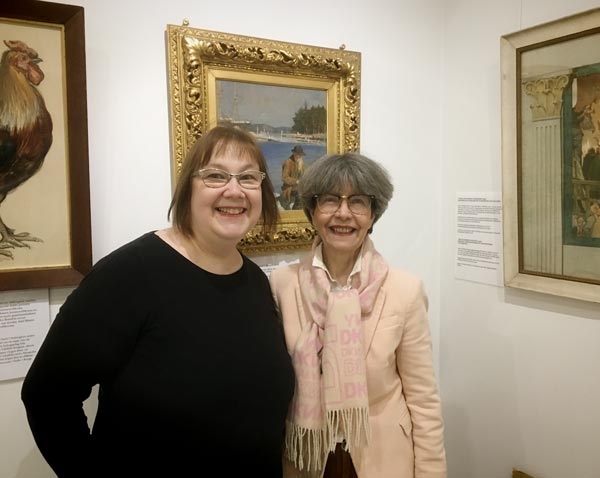
This is very happy news! If you have read my blog for some time, you know I love art history. Even if I follow contemporary art actively, old paintings inspire me more. Many of the techniques that I use for my paintings are old, even if the expression is abstract or half-abstract. So, one of my secret dreams has been to display my paintings with historical ones.
Albert Edelfelt
Albert Edelfelt (1854 – 1905) was one of the most famous Finnish painters. He painted portraits and landscapes and, in my opinion, was exceptionally skillful in sceneries that had a group of people. He also made illustrations, studied and worked in Paris, and lived in Haikko, Finland, where his foundation is also located.
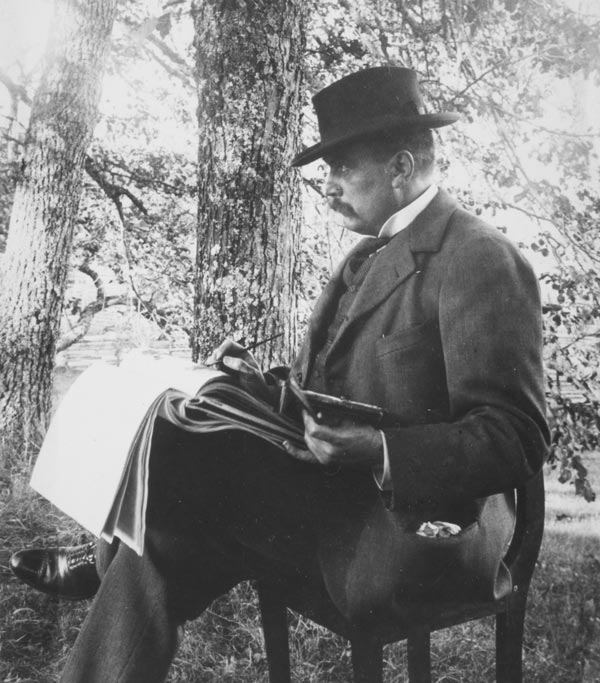
Here’s a better picture of the painting “Onkiva ukko” – a guy fishing – that you can see in the background of the first photo, taken in Villa Albert of Albert Edelfelt’s foundation.
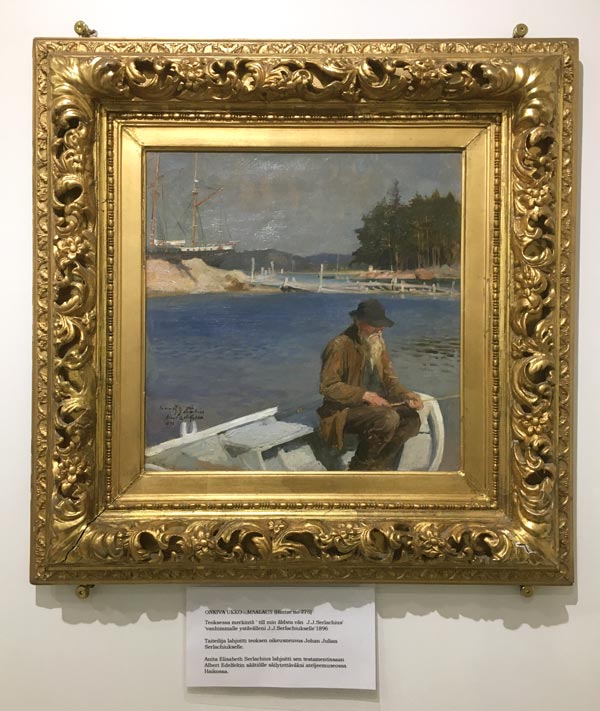
One of Albert Edelfelts most famous paintings, especially in France, is the portrait of Louis Pasteur. And many of his female portraits are so romantic, look at this one, for example!
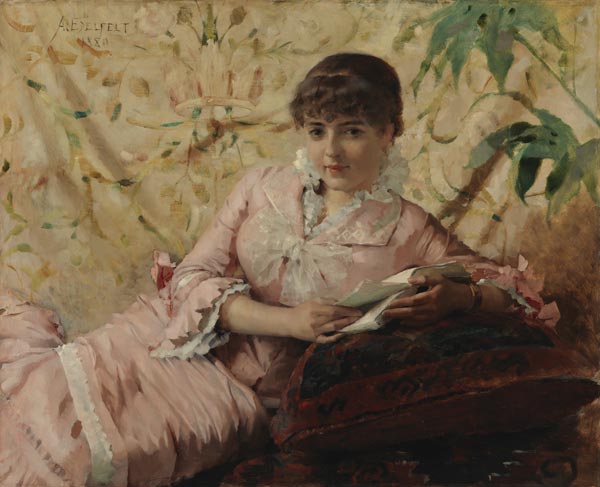
And look how careless the strokes are here, still expressing the essential so skillfully!
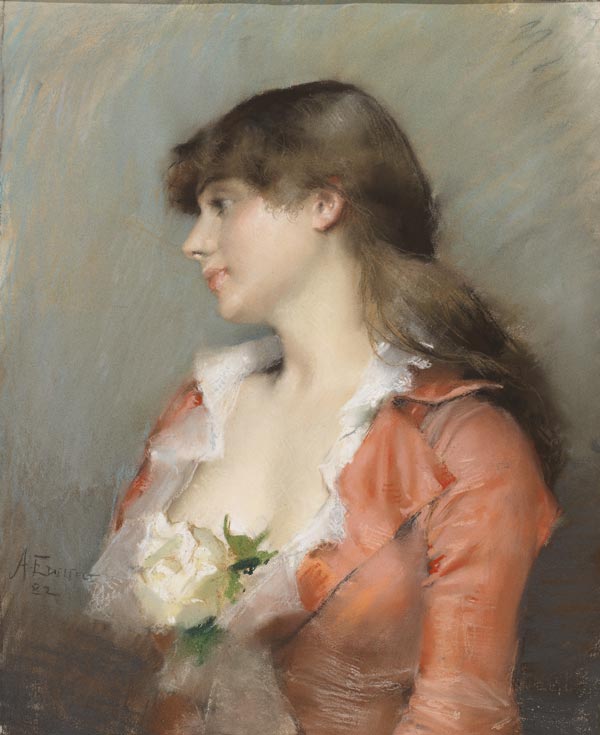
But Albert Edelfelt didn’t only paint young beauties. See this one:
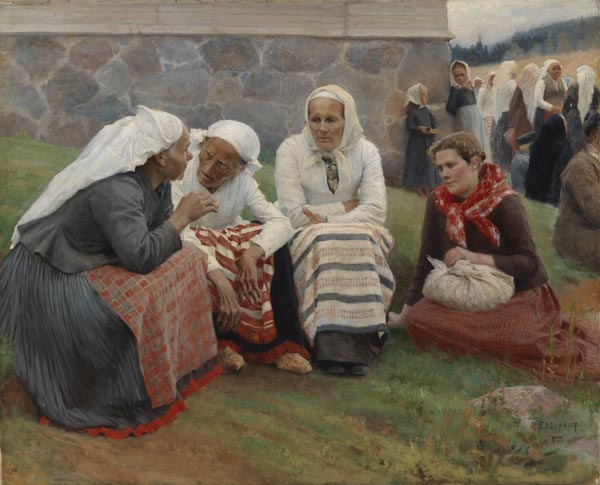
Browse more here: a big collection of Albert Edelfelt’s paintings
Last year, there was Albert Edelfelt’s big exhibition in France, and it’s now in Göteborg, Sweden, then later in May in Finland.
Villa Albert and The Haikko Area
Edelfelt’s studio is still up. It’s a small wooden cottage and a popular sight. Villa Albert is a new building in the same courtyard. It has a gallery space and a gift shop.
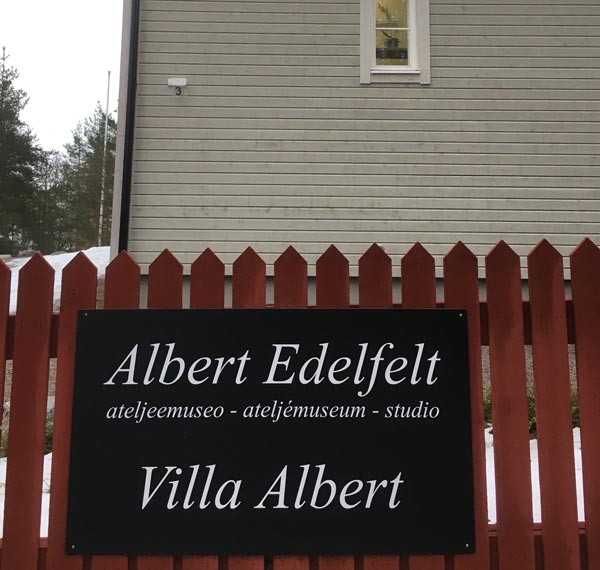
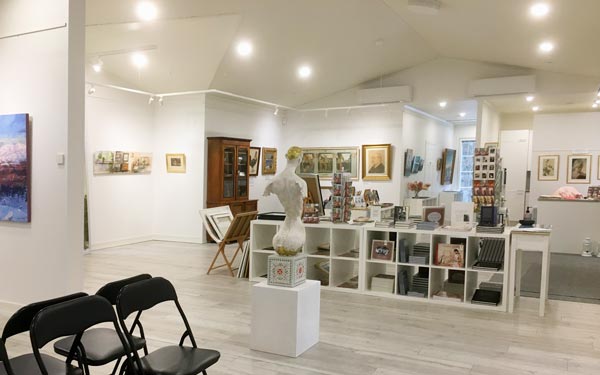
The Haikko area is beautiful. The sea is right there, and a beautiful manor hotel, Haikon kartano, is only a walk away.
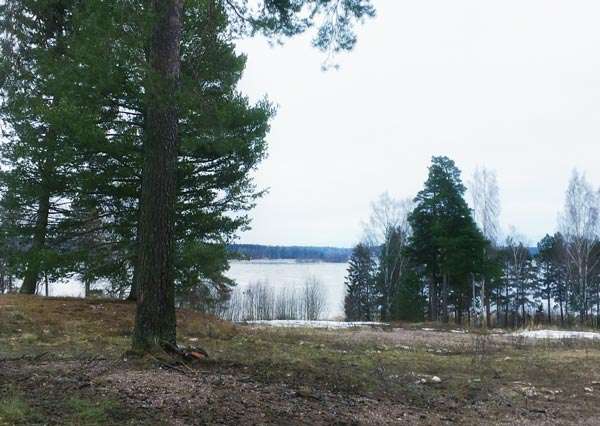
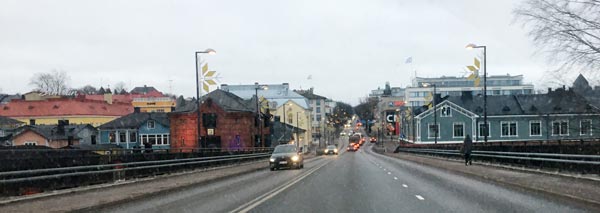
This area is very different in summer, much more welcoming than in the picture that I took this week. Here’s Albert Edelfelt’s painting of his villa in Haikko, currently privately owned but still up and located near the studio.
It takes only 15 minutes to drive to an atmospheric old town Porvoo, which is also a very popular tourist attraction.
Artists in the Mood of Edelfelt
I will be painting a new series for the exhibition called “Taiteilijat Edelfeltin tunnelmissa” – Artists in the mood of Edelfelt. Even if Albert Edelfelt was a portrait painter, my intention is not to paint portraits but plants. I am excited to pick inspiration from his work, though!
The exhibition will have four other artists too: another painter Kristina Elo, photographers Maarit Lehto and Niclas Warius, and a sculptor, Kaj Lindgård. I am very happy to be displayed with these wonderful artists.
Aug 8 to Oct 10, Taiteilijat Edelfeltin tunnelmissa (Artists in the Mood of Edelfelt), Villa Albert, Haikkoo, Porvoo.
Coming Up in This Blog
This spring, you will see me painting for the exhibition, and I will also share some details of Albert Edelfelt’s life. Between those, I will be posting more playful posts – drawings and journal pages – so, as usual, art history, my oil paintings, and more illustrative work will alternate in this blog. I hope you find all this very inspiring.
The Joy of Drawing Paper Dolls
This week is about drawing paper dolls. At the same time, we celebrate the social nature of hand-drawn paper dolls.
For an artist, the difference between a doll and a human is that the doll opens the door to a fantasy. Thus, drawing paper dolls is very different from painting portraits. But if I have to pick from the two, I would say that paper dolls make you more of an artist.
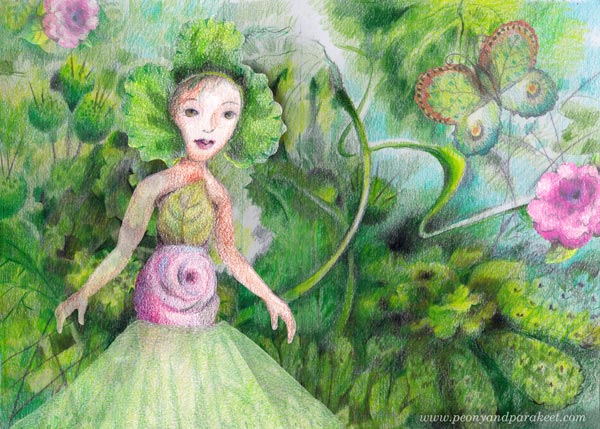
Compared to a human, only a doll can be a creature of the imagination – for example, a plant and a spirit at the same time.
Dream Wardrobe
Only a doll can have a wardrobe where every piece is organized.

Only a doll can get out of the box and go where ever the imagination takes her.
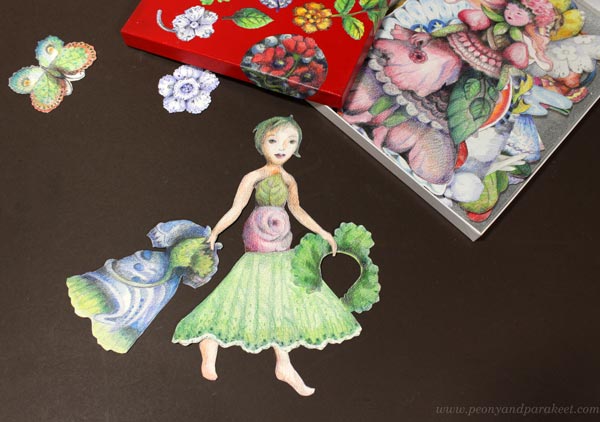
Only a doll can wear a butterfly as a wig and rose leaves as a bodice.
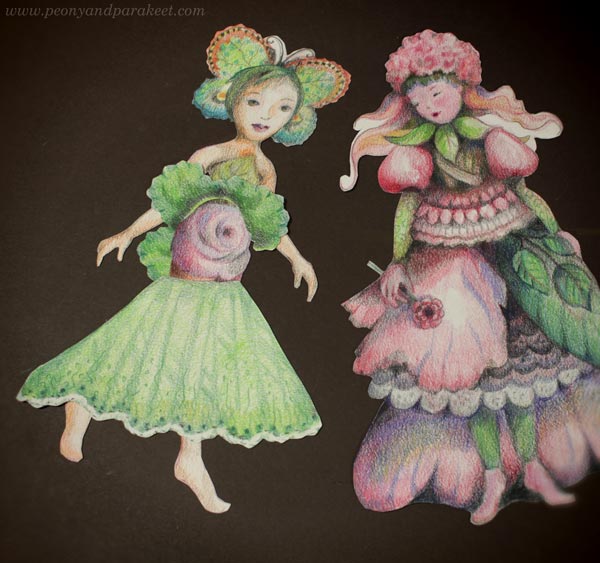
To be a fashion designer for a doll is the play we can’t resist.
Unspoken Secrets
Only a doll can hold the secrets that every artist has.
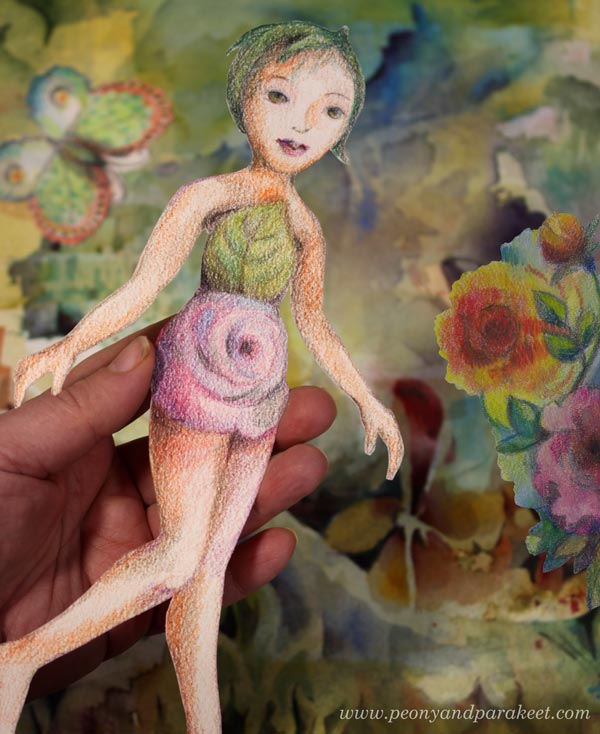
Because isn’t it so that no matter how close we are, there are dreams that we can’t tell anybody? Dreams that would perhaps sound silly, too grand, or too selfish. Dreams that make you an artist.
True Friends
Only for a doll a true friend is easy to find.
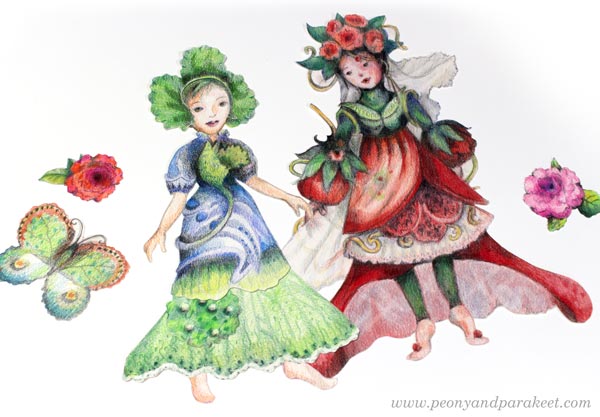
With paper dolls, I examine the social aspect of an artist’s life – how we can feel less lonely when creating and how the result can be a bridge between all the art that we have created. And when we give or share a picture of a doll, it also invites other people to play and connect with themselves and others.
Doll World – Drawing Paper Dolls
Come to draw adorable dolls and their dresses with me!
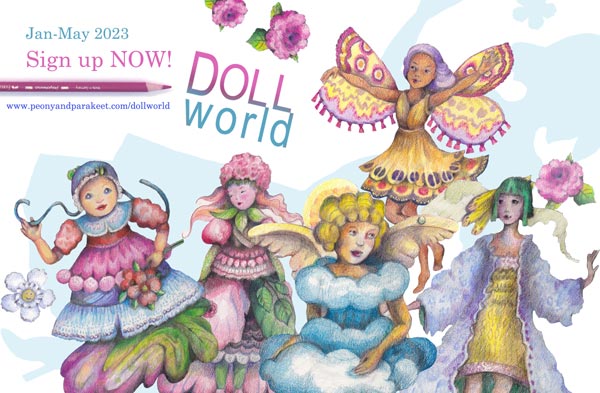
Doll World lasts from January to May. When you sign up, you will get the published lesson right away. >> Sign up Now!